On 13 October, Dutch Sign Language was officially recognised by the Dutch government as an official language in the Netherlands. This has significant symbolic and practical value for the Deaf community.
By signing the UN Convention on the Rights of Persons with Disabilities in 2016 and recognising Dutch Sign Language, the Dutch government has expressed its intention to make society more accessible to people with hearing impairments. An important difference between Deaf people and, for example, wheelchair users is that the barrier Deaf people experience is primarily communicative. This requires a very different approach, but what should that approach look like? And who is actually communication disabled?
Together with a Deaf expert, we explore this topic in greater depth. Our aim is for you to leave the session with a different perspective on what it means to live and interact with a disability, not only for people with a disability themselves.
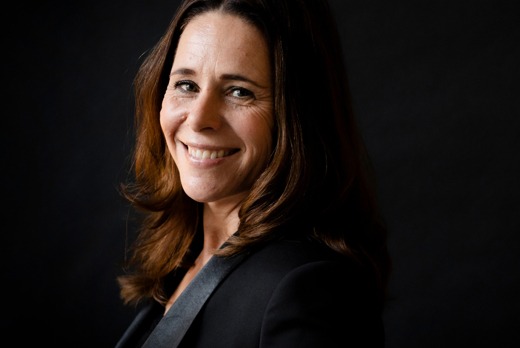
Through her work as a Dutch Sign Language interpreter, Irma is a skilled listener who quickly identifies and communicates the key message. In her role, she acts as a neutral conversation partner with the professional authority to intervene when necessary. She applies this experience effectively as a moderator. Irma has a broad interest in the world around her and can lead your event with enthusiasm and confidence.
During this keynote, I share my personal story: how interpreting widely viewed press conferences during the year of the coronavirus crisis took on a life of its own. I reflect on my unexpected fame, the unintended and sometimes unwelcome consequences and how I dealt with them.
Together with a Deaf expert, I also discuss what it means for Deaf people that the press conferences are interpreted. Finally, we explain how we try to use the attention surrounding the interpreter in a positive way, so that it benefits the Deaf community.
In recent years, sign language has become increasingly visible on television and social media. Many people enjoy watching it, although some still need time to get used to it. What is clear is that sign language is becoming increasingly embedded in society, which raises many questions.
Together with a Deaf expert, I explore this topic in greater depth and discuss:
- Why the term “deaf interpreter” is genuinely incorrect
- Dutch Sign Language (NGT), its structure and composition
- Being Deaf in society
- Using an interpreter during a job interview and in the workplace
We hope the presentation answers the many questions surrounding sign language and leads to new and sometimes surprising insights.