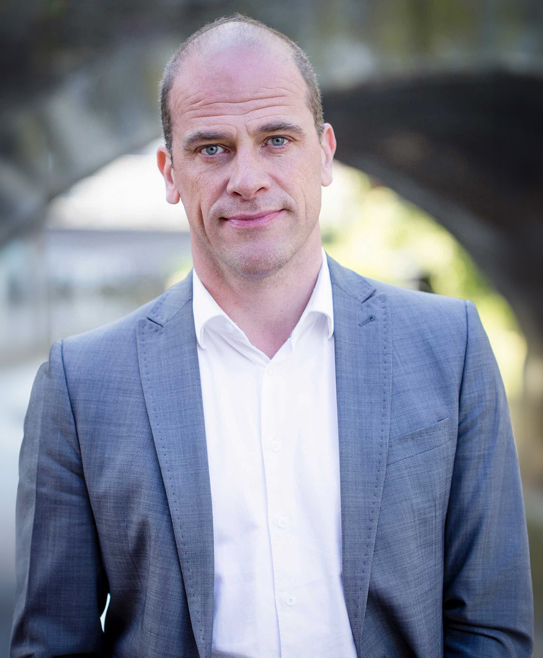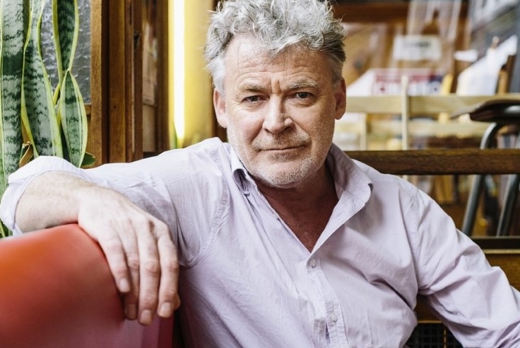
European correspondent and speaker Tijn Sadée has spent more than two decades traveling between Brussels and Southeastern Europe. With a keen eye for detail and a passion for storytelling, he brings the world of European politics and power to life in an accessible and engaging way. As a writer, radio journalist and documentary maker, Tijn works for media outlets including NRC, NPO Radio 1 and VPRO’s Bureau Buitenland. His compelling reports, podcasts and books offer unique insights into the dynamics of Brussels and Europe’s influence on the rest of the world. Drawing on his journalistic experience and analytical perspective, he makes a wide range of complex topics clear and relevant to any audience.
Tijn as a Speaker
Tijn is a speaker who presents European affairs in an accessible and inspiring way. He takes his audience behind the scenes in Brussels and the Balkans, sharing stories that shed light on power dynamics and political decision-making within the European Union. Beyond the facts, he offers sharp analysis and unique perspectives, enriched by compelling anecdotes from his many years as a European correspondent.
Career
Tijn began his career as a writer and radio journalist before becoming an established European correspondent. He created the radio segment Brussel Bij Nacht for the Dutch current affairs program Met Het Oog Op Morgen and is the author of several influential books, including Het Brusselse moeras – Achter de schermen van de macht in Europa (The Brussels Swamp – Behind the Scenes of Power in Europe), Stille krachten van Brussel (The Quiet Forces of Brussels) and De clan van Orbán – Kroniek van de Hongaarse aanval op Europa (Orbán’s Clan – Chronicle of Hungary’s Assault on Europe). His work also includes documentaries such as Forgotten Fools and Russian Enigma, offering exclusive insights into the geopolitical arena.
Alongside his journalistic work, Tijn leads walking masterclasses on journalism through Brussels’ European Union district. He is also working on a new book about EU enlargement, focusing on countries such as Ukraine and those in the Balkans.